
Gqom in 2026: one Durban drum, at least ten new directions
Sgubhu, uThayela, Is’qinsi and a gospel twist from Cape Town. A field guide to how gqom keeps mutating.
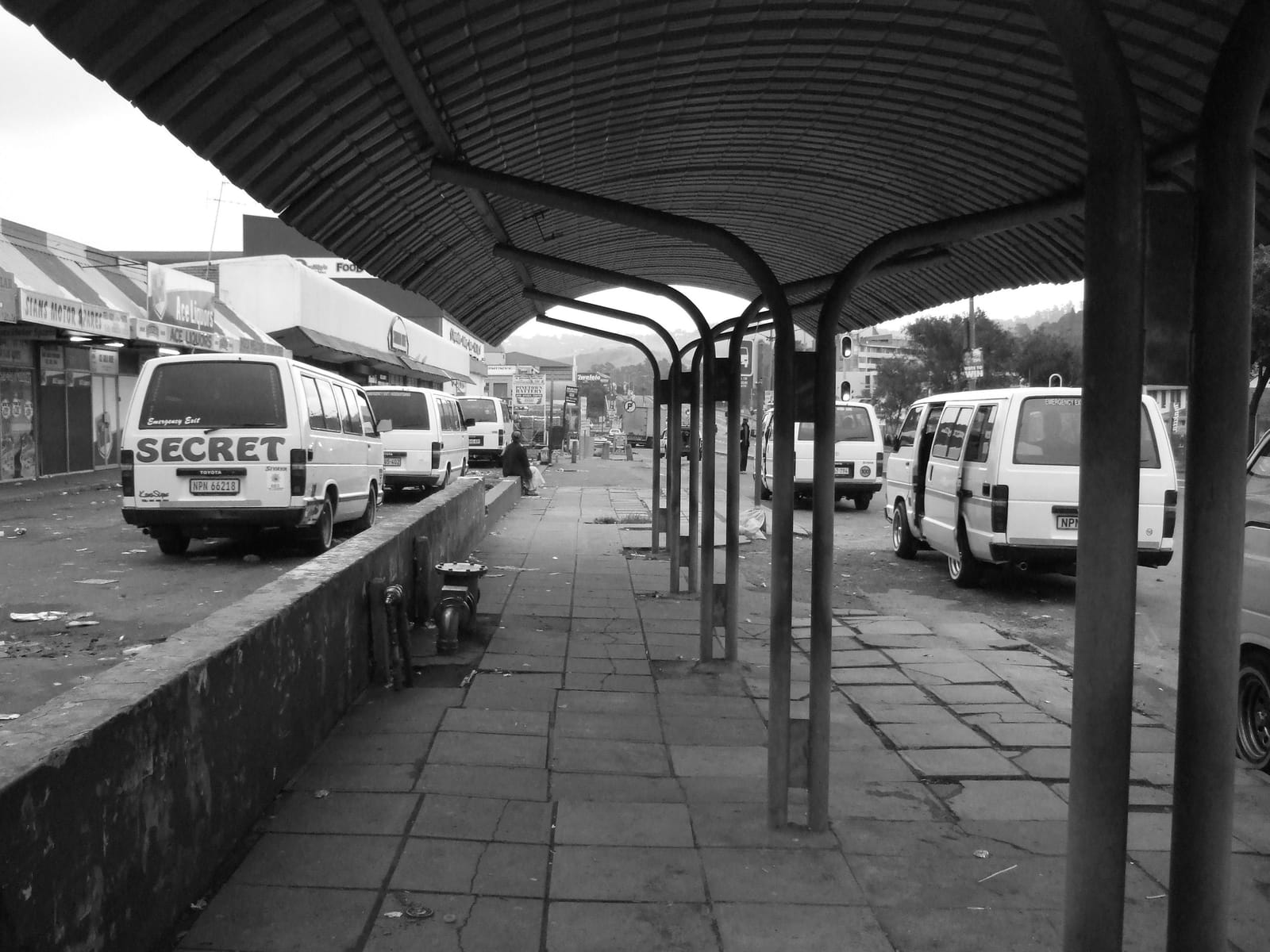
Gqom was never supposed to be tidy. Born in Durban in the late 2000s out of kwaito culture, with its unmistakable off-beat kick taking shape in the early 2010s, the sound got its name from the isiZulu word imitating a drum hit. It spread the way the best SA music does: through taxis, house parties, free download sites and phones passed around at the back of a party, long before the rest of the world noticed it in the mid-2010s.
A decade later, it is splitting into branches faster than anyone can name them. Some scene-watchers now count up to ten distinct subgenres. Here are the ones worth knowing.
Sgubhu (also called dombolo or idombolo)
The heavier, rolling side of the sound. If classic gqom feels like a warning, sgubhu feels like a march. The kicks are tighter and the momentum is relentless.
uThayela
A more stripped, percussive take that keeps space in the mix for chants and call-and-response vocals. It is built for crowds who sing back.
Is’qinsi
Sharp, rhythmic and dancer-first. This is the version producers build around specific moves.
CPT gqom and “gospel gqom”
Cape Town has developed its own regional accent, including a gospel-leaning strain that pairs church-style vocals with the genre’s dark drums. It is proof the sound now has homes well beyond eThekwini.
Gqom’s strength has always been that nobody owns the template. Every township gets to bend it.
Ten tracks to start with
If you want to hear where gqom sits right now, start with P Lastozi’s “Desperado”, Mathoyizi’s “Gamer”, Emo Kid’s “Dlala Busted”, Omagoqa’s “Stop & Go”, Citizen Boy’s remix of “Dark Island”, Mrkiick’s “911”, Papa J The Great’s “Sub Kick” and Wa Wah Pman’s “Bulala” with P Lastozi.
Back to the beach
Ask Durban producers where the energy comes from and many will point to the Explosion beach taxi raves, known locally as umqhumo: sound systems, open boots and a crowd that tests every new track in real time. As long as those parties keep happening, gqom will keep changing shape.